Monday, 1 December 2014

Composition: P3 (a)


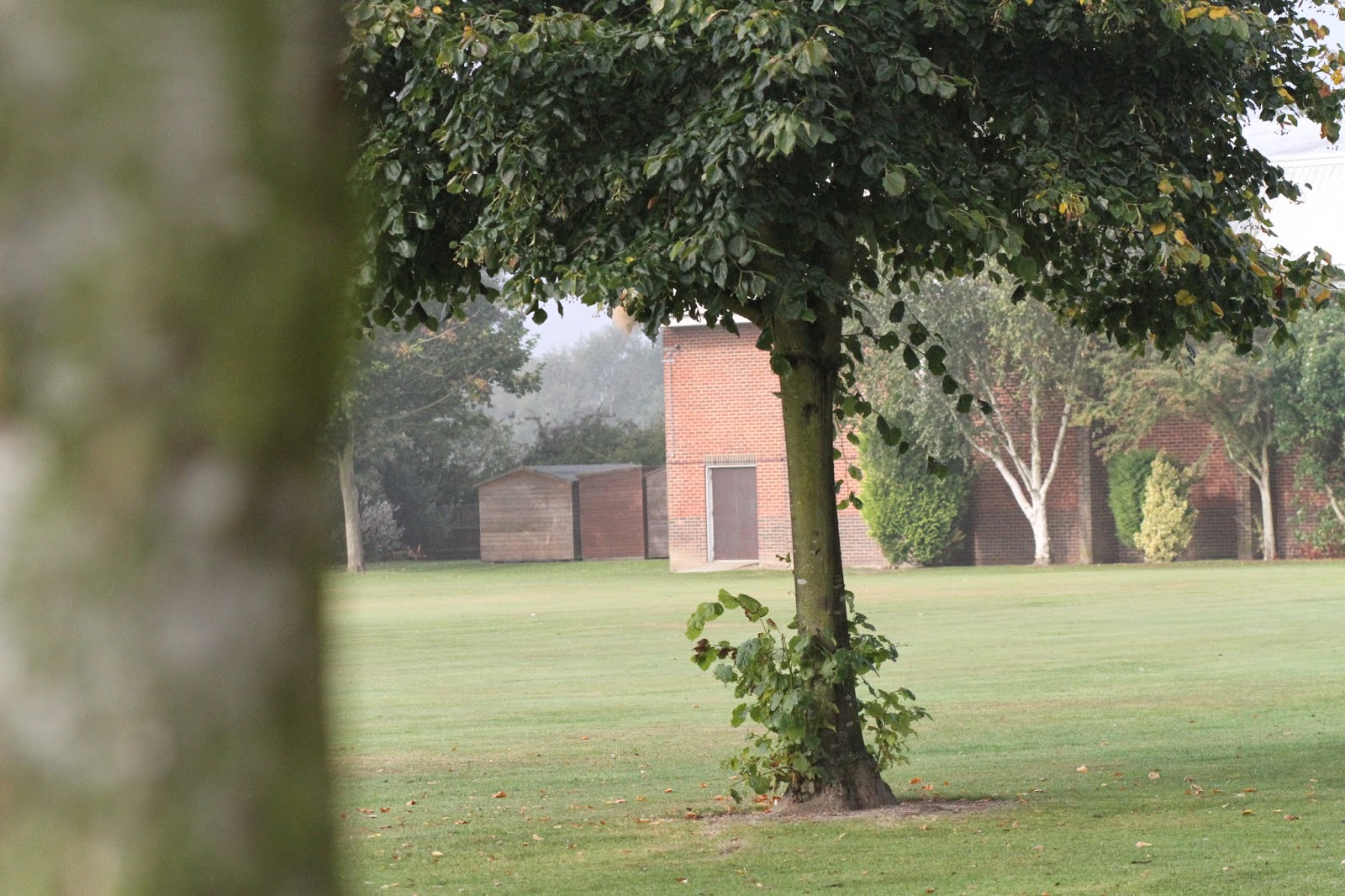
There are some experimentations I did with the 7D Canon camera. I picked 10 photos and I am going to analyse a few of them below.


Rule of thirds: are guidelines which applies to the process of composing visual images such as designs, films, painting and photography. The guideline proposes that an image should be imagined as divided into nine equal parts by two equally spaced horizontal lines and two equally spaced vertical lines, and that important compositional elements should be placed along these lines or intersections. 

Balanced elements: placing your main subject off the centre of the picture, as with the rule of thirds, it creates a more increasing photo, but it can leave a void in the scene which can make it feel empty. You should balance the weight of the subject by including another object of lessor important to fill 
the space.    

Leading lines

When you look at a photo our eye is naturally drawn along the lines. By thinking about how you place lines in the composition, you can affect the way we view the image, pulling us into the picture, towards the subjects, or on a journey through the scene.   

Symmetry and Patterns 

We are surrounded by symmetry and patterns, both natural and man-made. They can make for very eye-catching compositions, particularly in situations where they are not expected. Another great way to them is to break the symmetry or pattern in some way, this introduces tension and a focal point to the scene. 

Viewpoint 

Before photography the subject, take time to think about where you will shoot it from. Our viewpoint has a massive impact on the composition of our photo, and as a result it can greatly affect the message that the shot conveys. Rather than just shooting from eye level, consider photographing from high above, down at ground level, from the side, from the back, from a long way away, from very close up, and so on. 

Background

The human eye is excellent at distinguishing between different elements in a scene, whereas a camera has a tendency to flatten the foreground and background, and this can often ruin an otherwise great photo. Thankfully this problem is usually easy to overcome at the time of shooting. 

Depth

Because photography is a two-dimensional medium, we have to choose our composition carefully to conveys the sense of depth that was present in the actual scene. By creating depth in a photo by including objects in the foreground, middle ground and background. Another useful composition technique is overlapping, this is where it can be deliberate partially obscure one object with another. The human eye naturally recognises these layers and mentally separates the them out, this creates an image with more depth. 

Framing 

The world is of objects which makes a perfect natural frames, such as trees, archways and holes. By placing these around the edge of the composition you help to isolate the main subject from the outside world. The result is a more focused image which draws your eye naturally to the main point of interest. 

Cropping 

Often a photo will lack impact because the main subject is so small it becomes lost among the clutter of its surroundings. By cropping tight about the subject you eliminate the background focus, ensuring the subject gets the viewer's undivided attention. 

Experimentation 

With the dawn of the digital age in photography we no longer have no worry about film processing costs or running out of shots. As a result, experimenting with a photo composition has become a real possibility, we can fire off tons of shots and delete the unwanted ones later at absolutely no extra cost. Taking advantage of the fact that you can experiment with the composition.  


Technical controls P3 (b)


My reasoning for setting the exposure as aperture priority and then putting the aperture to f/22 is so that it will let very little light    
  
f22 lets in less light - greater depth of field 


White Balance


In photography and image processingcolor balance is the global adjustment of the intensities of the colors (typically red, green, and blueprimary colors). An important goal of this adjustment is to render specific colours – particularly neutral colours – correctly; hence, the general method is sometimes called gray balanceneutral balance, or white balance


Lighting P3(c)

Setting up 3 point lighting


Three point lighting is a standard method used in visual media such as video, film, still photography and computer-generated imagery. By using three separate positions, the photographer can illuminate the shot;s subject (such as a person) however desired, while also controlling (or illuminating entirely) the shading and shadows produced by direct light. 

The key light, as the name suggests, shines directly upon the subject and serves as its principal illuminator, more than anything else, the strength, colour and angle of the key determines the shot's overall lighting design. 

In indoor shots, the key is commonly a specialised lamp, or a camera's flash. In outdoor daytime shots, the sun often serves as the key light. In this case, the photographer cannot see the light in the exact position he or she wants, so instead arranges it to best capture the sunlight, perhaps after waiting for the sun to position itself just right.


From the picture and the meta data above I can tell that Aperture priority is on and  Aperture priority, often abbreviated A or Av (for aperture value) on a camera mode dial, is a setting on some cameras that allows the user to choose a specific aperture value while the camera selects a shutter speed to match, thereby ensuring proper exposure. This is different from manual mode, where the user must decide both values, shutter priority where the user picks a shutter speed with the camera selecting an appropriate aperture, or program modewhere the camera selects both.


Shutter priority refers to a setting on some cameras that allows the user to choose a specific shutter speed while the camera adjusts the aperture to ensure correct exposure. This is different from manual mode, where the user must decide both values, aperture priority where the user picks an aperture with the camera selecting the shutter speed to match, or program mode where the camera selects both.


George Hurrell


George Hurrell (June 1, 1904 – May 17, 1992) was a photographer who made a significant contribution to the image of glamour presented by Hollywood during the 1930s and 1940s. In the late 1920s, Hurrell was introduced to the actor Ramon Novarro, by Pancho Barnes, and agreed to take a series of photographs of him. Novarro was impressed with the results and showed them to the actress Norma Shearer, who was attempting to mould her wholesome image into something more glamorous and sophisticated in an attempt to land the title role in the movie The Divorcee. 

She asked Hurrell to photograph her in poses more provocative than her fans had seen before.


  Richard Avedon

Richard Avedon (May 15, 1923 – October 1, 2004) was an American fashion and portrait photographer. An obituary published in The New York Times said that "his fashion and portrait photographs helped define America's image of style, beauty and culture for the last half-century".

Avedon became the first staff photographer for The New Yorker in 1992, where his post-apocalyptic, wild fashion fable “In Memory of the Late Mr. and Mrs. Comfort,” featuring model Nadja Auermann and a skeleton, was published in 1995. Other pictures for the magazine, ranging from the first publication, in 1994, of previously unpublished photos of Marilyn Monroe to a resonant rendering of Christopher Reeve in his wheelchair and nude photographs ofCharlize Theron in 2004, were topics of wide discussion. Some of his less controversial New Yorker portraits include those of Saul BellowHillary Rodham ClintonToni MorrisonDerek WalcottJohn Kerry, and Stephen Sondheim.


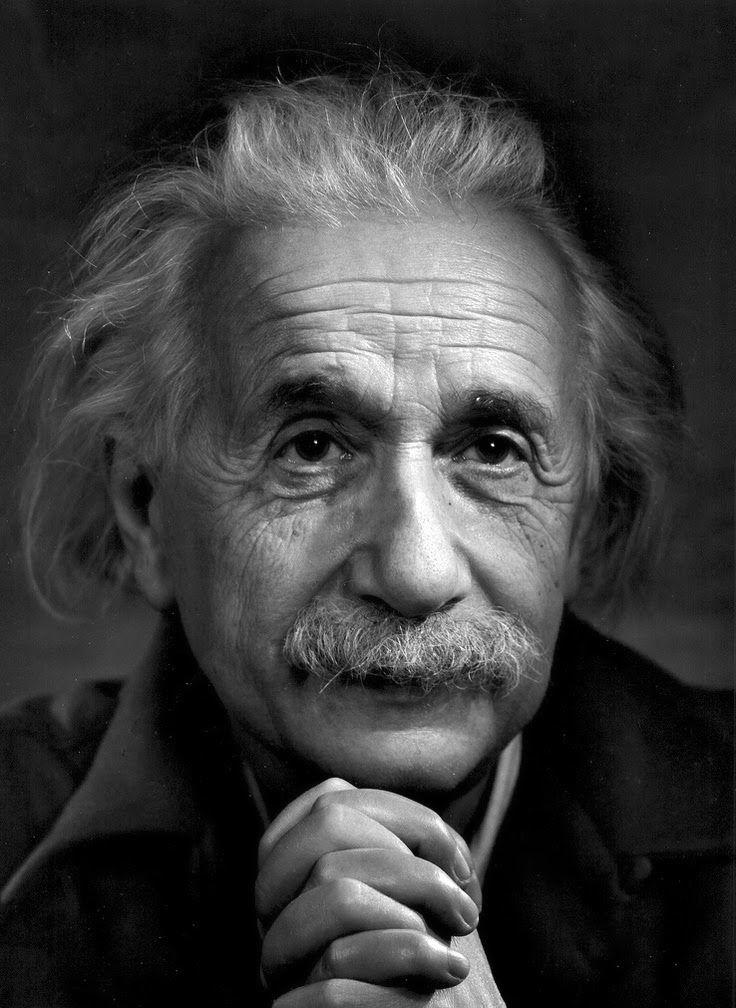
Yousuf Karsh, December 23, 1908 – July 13, 2002) 
was an Armenian Canadian portrait photographerYousuf Karsh was born in Mardin, a city in the eastern Ottoman Empire (present Turkey). He grew up during the Armenian Genocide where he wrote, "I saw relatives massacred; my sister died of starvation as we were driven from village to village."